
What is Myofascial Release Therapy? A Complete Guide to Pain Relief, Mobility, and Fascia Recovery
Muscle tightness, chronic pain, and restricted movement can make everyday activities more difficult than they should be. Whether caused by poor posture, repetitive strain, sports injuries, stress, or long hours of sitting, tension within the body can affect flexibility, comfort, and overall wellness. Because of this, more people are searching for answers to What is Myofascial Release Therapy and how it may help improve mobility naturally.
Myofascial Release Therapy is a hands-on treatment designed to reduce restrictions within the fascia — the connective tissue surrounding muscles, joints, nerves, and organs. Using slow, sustained pressure and stretching techniques, healthcare professionals apply specialized Myofascial Release Techniques to reduce tension, improve circulation, and restore healthy movement patterns.
Unlike treatments that focus only on temporary symptom relief, Myofascial Release Therapy targets the deeper connective tissue that may contribute to chronic pain and stiffness. This natural, non-invasive approach has become increasingly popular among athletes, office workers, chronic pain sufferers, and individuals looking for long-term mobility support without relying heavily on medication or surgery.
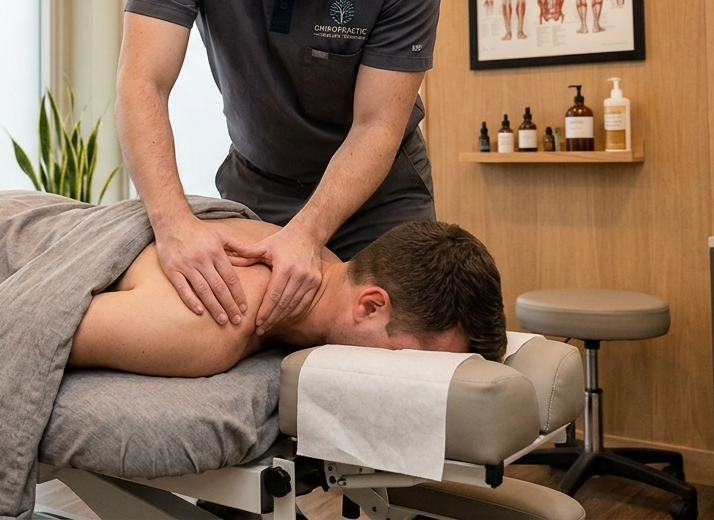
What is Myofascial Release Therapy?
One of the most common questions people ask is, “What is Myofascial Release Therapy?”
Myofascial Release Therapy is a specialized manual therapy focused on releasing tension and restrictions within the fascia. Fascia is a thin layer of connective tissue found throughout the body that supports muscles, joints, nerves, and internal structures.
When fascia becomes tight due to injury, inflammation, repetitive movements, stress, or poor posture, it may create:
Muscle stiffness
Chronic pain
Limited flexibility
Poor posture
Reduced mobility
Pressure around joints and nerves
Myofascial Release Therapy uses gentle, sustained pressure to stretch and release these restrictions naturally, helping restore healthy movement and physical comfort.
Unlike traditional massage therapy, which primarily focuses on muscle relaxation, Myofascial Release Techniques specifically target connective tissue restrictions that may contribute to long-term pain and mobility issues.
What is Fascia and Why Is It Important?
To fully understand What is Myofascial Release Therapy, it helps to first understand fascia.
Fascia is a web-like connective tissue that surrounds and supports muscles, tendons, joints, bones, nerves, and organs throughout the body. Healthy fascia is flexible and elastic, allowing smooth movement between muscles and joints.
However, fascia can become tight and restricted due to:
Physical injuries
Repetitive movements
Poor posture
Stress and tension
Inflammation
Surgical scar tissue
Lack of movement
When fascia tightens, it may create pain, stiffness, and movement limitations that affect multiple areas of the body.
This is one reason many healthcare professionals recommend Myofascial Release Therapy as part of a comprehensive pain management and recovery program.
How Myofascial Release Therapy Works
One of the most searched questions online is How Myofascial Release Therapy Works.
During treatment, therapists apply slow, sustained pressure to areas where fascia feels restricted or tight. Unlike rapid massage movements, Myofascial Release Techniques involve gentle holds that may last several minutes.
These prolonged stretches help the connective tissue gradually release tension and improve mobility naturally.
Benefits of Myofascial Release Therapy Include:
Improved circulation
Better flexibility
Increased range of motion
Reduced muscle tightness
Improved posture
Enhanced mobility
Natural pain relief
Reduced stress and physical tension
Because fascia connects throughout the body, releasing restrictions in one area may improve movement and comfort in surrounding areas as well.
Common Myofascial Release Techniques
Different Myofascial Release Techniques are used depending on the patient’s symptoms, posture, movement restrictions, and pain condition.
Popular Techniques Include:
Sustained Pressure Therapy
Gentle pressure is applied to restricted fascia areas for an extended period to encourage tissue release.
Trigger Point Therapy
Focused pressure targets tight muscle knots and sensitive areas that may contribute to referred pain.
Gentle Stretching Techniques
Therapists carefully stretch restricted tissue to improve flexibility and movement.
Assisted Movement Therapy
Controlled body movements are combined with manual therapy to improve mobility patterns.
Manual Tissue Mobilization
Hands-on manipulation helps reduce connective tissue tightness and improve circulation.
These specialized techniques are designed to restore movement while reducing pain and stiffness naturally.
What Does Myofascial Release Therapy Treat?
Another common question people ask is, “What does Myofascial Release Therapy treat?”
This therapy is often used to support recovery from chronic pain conditions, mobility issues, and muscle tension.
Conditions Commonly Treated Include:
Lower back pain
Neck and shoulder tension
Sciatica
Fibromyalgia
Sports injuries
Headaches and migraines
Joint stiffness
Posture-related discomfort
Repetitive strain injuries
Chronic muscle tightness
Mobility limitations
Because Myofascial Release Therapy focuses on connective tissue restrictions, treatment may improve movement throughout the entire body rather than only targeting one painful area.
What Are the Benefits of Myofascial Release Therapy?
There are many reasons why people turn to Myofascial Release Therapy for long-term wellness and recovery support.
What Are the Benefits of Myofascial Release Therapy?
Reduced muscle tension
Better posture
Increased flexibility
Improved circulation
Enhanced athletic recovery
Improved mobility
Better range of motion
Reduced stress and tension
Improved physical performance
Natural pain management support
Many patients notice gradual improvements in comfort, flexibility, and overall body function after ongoing treatment.
Who Would Benefit From Myofascial Release Therapy?
Many individuals can benefit from Myofascial Release Therapy, especially those experiencing chronic muscle tension or movement restrictions.
Who Would Benefit From Myofascial Release Therapy?
Athletes
Athletes often use Myofascial Release Therapy to improve recovery, reduce soreness, and support mobility.
Office Workers
Long hours of sitting may contribute to posture problems, neck stiffness, and lower back pain.
Individuals With Chronic Pain
People living with fibromyalgia, sciatica, or chronic tension may benefit from connective tissue release.
Older Adults
Aging may contribute to stiffness and reduced flexibility that impact movement.
Post-Surgery Patients
Scar tissue restrictions may improve with proper connective tissue therapy.
Individuals With Repetitive Strain Injuries
Repetitive physical stress may contribute to fascia tightness and mobility issues.
What is Self-Myofascial Release?
Another growing trend is What is self-myofascial release.
Self-myofascial release involves using tools like foam rollers, massage balls, or stretching devices to apply pressure to tight muscles and fascia at home.
Common Self-Myofascial Release Tools Include:
Foam rollers
Massage balls
Percussion massage devices
Stretch bands
Handheld mobility tools
Self-myofascial release may help reduce muscle tightness, improve flexibility, and support recovery between professional therapy sessions.
What Happens During Myofascial Release Therapy?
Many first-time patients wonder, “What happens during myofascial release therapy?”
Treatment usually begins with an evaluation of posture, flexibility, movement restrictions, and painful areas.
The therapist then applies slow, sustained pressure to restricted fascia areas while monitoring tissue response.
During Treatment, You May Experience:
Mild stretching sensations
Gentle pressure
Warmth in tight areas
Muscle relaxation
Increased mobility
Reduced tension
Unlike traditional massage therapy, Myofascial Release Techniques involve slower movements and longer pressure holds.
What Should I Expect During Myofascial Release Treatment?
People often ask, “What should I expect during myofascial release treatment?”
Most sessions are calm, relaxing, and focused on gentle tissue release rather than aggressive manipulation.
Patients should expect:
Comfortable treatment clothing
Slow, controlled movements
Gentle tissue pressure
A customized treatment approach
Gradual mobility improvements over time
Some individuals feel immediate relief, while others experience more gradual improvement after multiple sessions.
Does Myofascial Therapy Hurt?
A common concern is, “Does myofascial therapy hurt?”
Most patients describe Myofascial Release Therapy as gentle and manageable. Some restricted areas may feel tender during release, but the therapy should not create severe pain.
Common Sensations Include:
Mild tenderness
Stretching feelings
Temporary pressure
Warmth in treated areas
Relaxation afterward
Therapists adjust pressure based on the patient’s comfort level and tissue response.
Is Myofascial Release the Same as Trigger Point Therapy?
Many people ask, “Is myofascial release the same as trigger point therapy?”
While both therapies focus on reducing pain and muscle tension, they are not the same.
Myofascial Release Therapy
Focuses on fascia restrictions
Uses slow, sustained pressure
Targets connective tissue
Trigger Point Therapy
Focuses on muscle knots
Applies targeted pressure
Primarily addresses referred muscle pain
In many cases, healthcare professionals combine both therapies as part of a comprehensive treatment plan.
What’s the Difference Between Myofascial Release Therapy and Fascial Stretch Therapy?
Another common question is, “What’s the difference between myofascial release therapy and fascial stretch therapy?”
Myofascial Release Therapy
Focuses on releasing fascia restrictions manually
Uses sustained pressure
Primarily hands-on therapy
Fascial Stretch Therapy
Focuses more on assisted stretching
Involves movement-based flexibility work
Often improves joint mobility and athletic performance
Both therapies aim to improve movement and flexibility, but they use different treatment methods.
What Are the Risks of Myofascial Release Therapy?
Many patients ask, “What are the risks of myofascial release therapy?”
Although generally considered safe, mild side effects may occasionally occur after treatment.
Possible Side Effects Include:
Temporary soreness
Mild fatigue
Tenderness in treated areas
Slight bruising
These effects are usually short-term and improve quickly.
Working with a trained provider experienced in Myofascial Release Techniques helps ensure safe and effective treatment.
What Happens After Myofascial Release Therapy?
Another common question is, “What happens after myofascial release therapy?”
Many patients notice:
Reduced stiffness
Improved mobility
Better flexibility
Decreased muscle tension
Improved posture
Increased relaxation
Some people experience mild soreness after treatment, similar to post-workout discomfort, which usually improves within 24–48 hours.
Helpful Recovery Tips:
Drink plenty of water
Stretch gently
Rest if needed
Follow the therapist's recommendations
Avoid heavy physical strain immediately afterward
What Ages Are Best Suited for This Type of Therapy?
Many people wonder, “What ages are best suited for this type of therapy?”
Myofascial Release Therapy may benefit people of many different age groups, including:
Teen athletes
Active adults
Office workers
Older adults with stiffness
Individuals recovering from injuries
Treatment plans are typically customized based on the patient’s health condition, mobility level, and comfort.
Professional Chiropractic Care in Brandon, SD
If you are still wondering whether chiropractic care and movement-based therapies truly work, exploring a real clinical environment can provide valuable insight into how modern chiropractic treatment supports recovery, mobility, and long-term wellness.
At Fit For Life Chiropractic, patients receive personalized, patient-centered chiropractic care focused on identifying and correcting the underlying cause of discomfort rather than simply masking symptoms temporarily. The clinic emphasizes improving spinal alignment, restoring healthy movement patterns, and supporting long-term wellness using evidence-based chiropractic care and mobility-focused treatment strategies.
Led by Dr. Cody Kruckenberg, the clinic develops individualized treatment plans designed around each patient’s injury history, lifestyle demands, movement goals, and long-term health needs.
Services Offered
Chiropractic Adjustments
Posture Correction
Spinal Alignment Care
Mobility & Flexibility Improvement
Back & Neck Pain Relief
Sports Injury Rehabilitation
Auto Injury & Whiplash Treatment
Myofascial Release Therapy
Soft Tissue Recovery Support
Patients searching for a local Brandon chiropractor, chiropractor near me, or trusted chiropractor in South Dakota often choose the clinic for its patient-first, non-invasive treatment philosophy.
The clinic proudly serves patients throughout:
Brandon
Sioux Falls
Harrisburg
Tea
Baltic
Dell Rapids
Surrounding South Dakota communities
Location: Brandon, SD
Phone: (605) 254-7735
Website: Fit For Life Chiropractic
Their modern, recovery-focused approach highlights how chiropractic care and Myofascial Release Therapy can help improve mobility, reduce pain, and support long-term physical wellness naturally.
Author Bio
Dr. Cody Kruckenberg is the founder of Fit For Life Chiropractic and a chiropractor known for providing evidence-based, patient-focused chiropractic care designed to improve movement, mobility, and long-term wellness naturally.
His passion for chiropractic care began during his wrestling career, where he experienced firsthand how spinal health, movement optimization, and recovery-focused treatment could dramatically improve both athletic performance and everyday function.
After completing his undergraduate education at Morningside College, Dr. Kruckenberg earned his Doctor of Chiropractic degree from Northwestern Health Sciences University.
He specializes in helping patients:
Reduce pain naturally
Restore flexibility and movement
Recover from sports and auto injuries
Improve posture and spinal function
Support long-term mobility and wellness
With a strong background in athletic rehabilitation and movement-based care, Dr. Kruckenberg combines clinical expertise with personalized treatment planning to help patients achieve long-term results without unnecessary surgery or medication dependence.
Final Thoughts on What is Myofascial Release Therapy?
Learning What is Myofascial Release Therapy can help people explore a natural and effective approach to improving mobility, reducing pain, and supporting long-term recovery. By targeting fascia restrictions and connective tissue tightness, Myofascial Release Therapy focuses on addressing the underlying causes of stiffness and discomfort rather than only masking symptoms temporarily.
Whether you are recovering from sports injuries, struggling with posture-related tension, or managing chronic muscle tightness, specialized Myofascial Release Techniques may help improve flexibility, circulation, movement quality, and overall physical comfort naturally.
When combined with chiropractic care, posture correction, stretching, and healthy movement habits, Myofascial Release Therapy can become an important part of a long-term wellness and recovery plan.


Comments